Shade matching is one of the most discussed and least resolved challenges in restorative dentistry. Despite significant advances in digital workflows, materials science, and photography technology, labs still receive cases with incomplete or inconsistent shade information on a regular basis. The restorations come back, the dentist is frustrated, the patient is unhappy, and everyone wonders what went wrong.
The answer is rarely a single failure. It is almost always a communication breakdown, and understanding where those breakdowns happen is the first step toward fixing them.
The Problem Is Older Than Digital Dentistry
Shade communication challenges are not new. Long before intraoral scanners and digital photography, labs were relying on handwritten shade selections scrawled on paper prescriptions, often taken under inconsistent operatory lighting with a shade guide that had seen better days.
Digital workflows have improved many things, but they have not automatically solved the shade communication problem. In some ways, they have introduced new variables. A digital scan tells the lab a great deal about anatomy and occlusion. It tells them very little about how a restoration should look.
Where the Breakdown Usually Happens
Most shade communication failures fall into a handful of predictable categories.
Lighting is one of the most overlooked factors in shade selection. The color a tooth appears to be under the fluorescent lights of an operatory can look dramatically different in natural daylight or in the warm ambient light of a restaurant. Shade selections taken under poor or inconsistent lighting set the lab up to fail before the case has even been prescribed.
Shade guide condition matters more than most practices realize. Vita guides and other shade tabs fade, chip, and accumulate surface buildup over time. A shade tab that has been in use for several years may not accurately represent the color it is supposed to. Labs match to standards. If the guide in the operatory does not reflect those standards, the match will not either.
Photography, when it is used at all, is often not used well. A photo taken without a shade tab in frame, under inconsistent lighting, or with the wrong white balance gives the lab little actionable information. Some practices send no photo at all, leaving the lab to work from a shade letter and a hope.
Prescription completeness is another consistent weak point. A shade selection of A2 tells the lab the body shade but nothing about the incisal character, the cervical blend, any translucency considerations, or the patient’s age and natural tooth characteristics. For a posterior crown, that may be enough. For an anterior restoration where aesthetics are critical, it is rarely sufficient.
Finally, case-specific context is often missing entirely. The lab does not know whether the adjacent teeth are natural or restored, whether there is a stump shade that needs to be masked, or what the patient’s aesthetic priorities are. Each of those factors directly affects how the restoration should be fabricated.
 What Better Communication Actually Looks Like
Improving shade communication does not require an expensive new system. It requires intention and a consistent process on both sides of the relationship.
On the clinical side, standardizing shade selection protocols makes a meaningful difference. This means taking shades at the beginning of the appointment before the mouth dries out, using a calibrated and current shade guide, photographing the selected tab alongside the adjacent teeth under consistent lighting, and providing a prescription that goes beyond a single shade letter.
Clinical photos should include at minimum a full-face shade tab reference shot and a close-up of the preparation area. Including brief notes about the patient’s aesthetic goals, the condition of adjacent teeth, and any stump shade concerns gives the lab the context it needs to make good decisions.
On the lab side, proactively asking for what is missing rather than guessing is one of the most valuable habits a lab can develop. A quick call or message to clarify a shade before fabrication begins is far less costly than a remake after the fact. Labs that build a reputation for catching incomplete information early become the kind of partners dentists trust with their most demanding cases.
The Role of Digital Tools
Digital tools can meaningfully improve shade communication when they are used correctly. Spectrophotometers and digital shade-matching devices remove some of the subjectivity from the selection process and provide objective measurements that translate more consistently across different environments and observers.
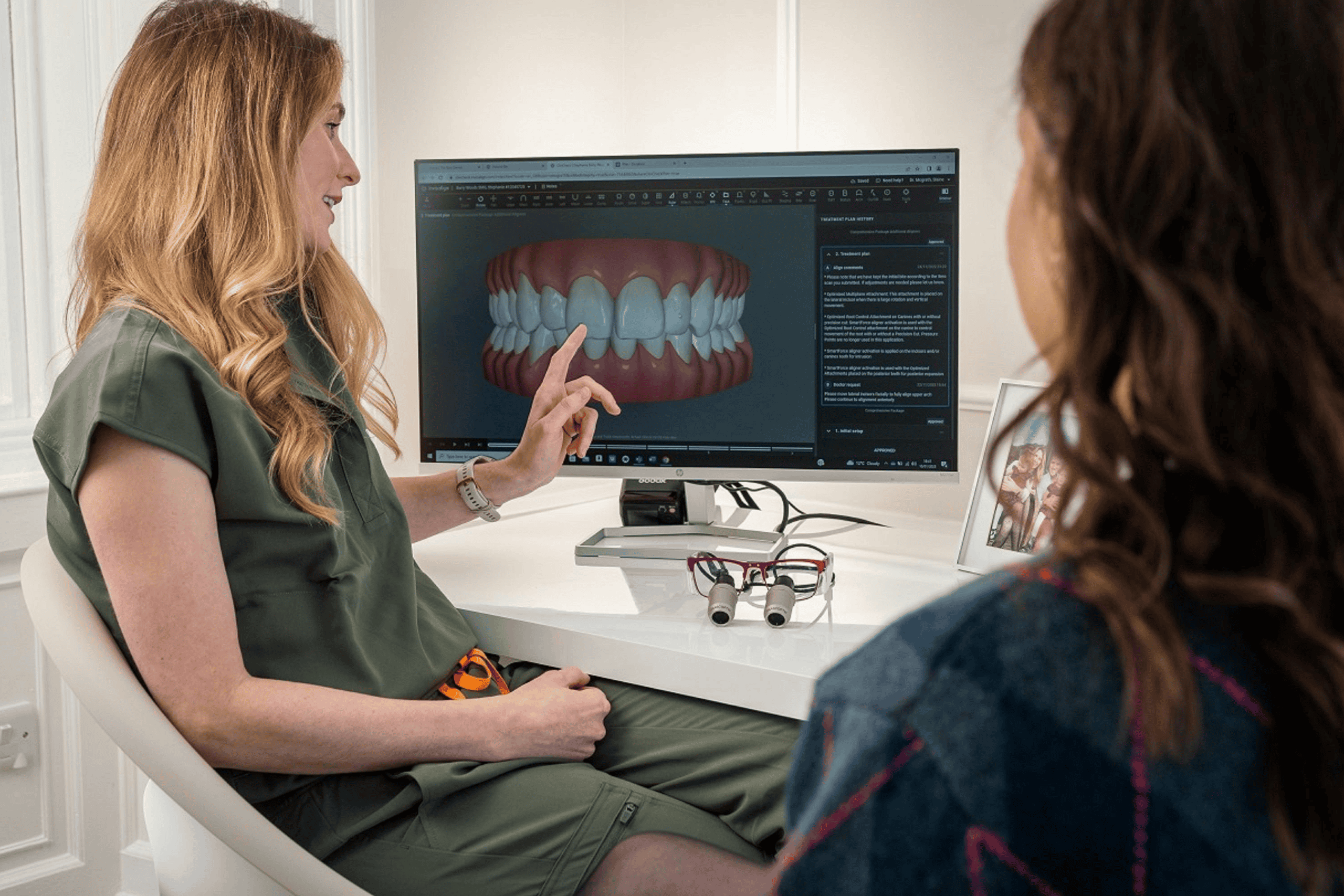
Digital design previews and wax-up approvals give dentists and patients a chance to review the planned outcome before any material is committed, reducing surprises at delivery. Some labs and practices are moving toward real-time digital collaboration that allows the lab to flag questions and receive clarification before fabrication begins.
These tools are not a replacement for clear communication. They are a way to make clear communication easier and more consistent.
A Shared Responsibility
Shade communication is a two-way street. Labs that actively educate their dentist clients on what information helps them produce better results are not overstepping. They are doing exactly what a trusted lab partner should do.
A simple one-page guide explaining what to photograph, how to take a shade effectively, and what to include on the prescription can make a significant difference in the quality of information labs receive. Sharing that kind of resource with dentist clients positions your lab as a knowledgeable partner invested in shared success, which is one of the things that makes an independent lab genuinely hard to replace.
At AmericaSmiles, we support member labs with the resources, materials, and expertise to deliver consistently excellent results. Better shade communication is one of the most straightforward ways to reduce remakes, improve dentist satisfaction, and build the kind of reputation that keeps cases coming through the door.