
Most dental labs think about their relationship with dentists in terms of cases received, cases delivered, and cases remade. But the labs that truly differentiate themselves think about one more variable: how many cases their dentist clients are actually presenting and closing with their patients in the first place.
Case acceptance is one of the most significant drivers of a dental practice’s revenue, and it is an area where a knowledgeable lab partner can add real, tangible value. When you help a dentist communicate restoration options more effectively, you are not just being a good partner. You are directly contributing to more case volume for both sides of the relationship.
Why Case Acceptance Is a Lab Issue Too
It might seem like case acceptance is entirely the dentist’s problem to solve. But consider what happens when a patient declines a recommended restoration. That case never reaches your lab. The dentist’s revenue does not materialize. And over time, if that pattern repeats itself across a practice, the dentist’s case volume shrinks, and so does yours.
On the flip side, dentists who present treatment confidently and communicate the value of quality restorations clearly tend to have higher acceptance rates. Their practices grow. Their case volume grows. And their lab relationship deepens as a result.
Investing in your dentist clients’ ability to present restorations is one of the smartest things an independent lab can do.
Understand What Patients Actually Need to Hear
One of the most common reasons patients decline recommended restorations is not cost. It is a lack of understanding. When a patient does not fully grasp why a crown is necessary, what it will look like, or how it will perform over time, saying no is easy.
Dentists who present treatment effectively tend to focus on a few key things. They connect the restoration to the patient’s own goals, whether that is comfort, appearance, or long-term oral health. They explain what happens if treatment is delayed. And they make the restoration feel like a solution to a real problem the patient already cares about, not just a clinical recommendation.
Labs can support this by providing materials and language that help dentists make those connections more concretely. Shade guides, before and after photography, and clear explanations of material differences are all tools that help patients see and understand what they are agreeing to.
Help Your Dentists Communicate Material Differences
One of the most valuable things a lab can do is help its dentist clients understand and articulate the difference between restoration options. When a dentist can confidently explain why high-translucency zirconia is the right choice for an anterior case, or why a different material is better suited for a high-stress posterior restoration, that confidence comes through in the conversation with the patient.
Share what you know. If a new material you are working with offers meaningful advantages in aesthetics, strength, or longevity, tell your dentist about it. Provide simple, clear language they can use to explain the difference to a patient without getting into technical detail. The more your dentist understands the options, the better they can present them.
Offer Visual Tools That Support the Conversation
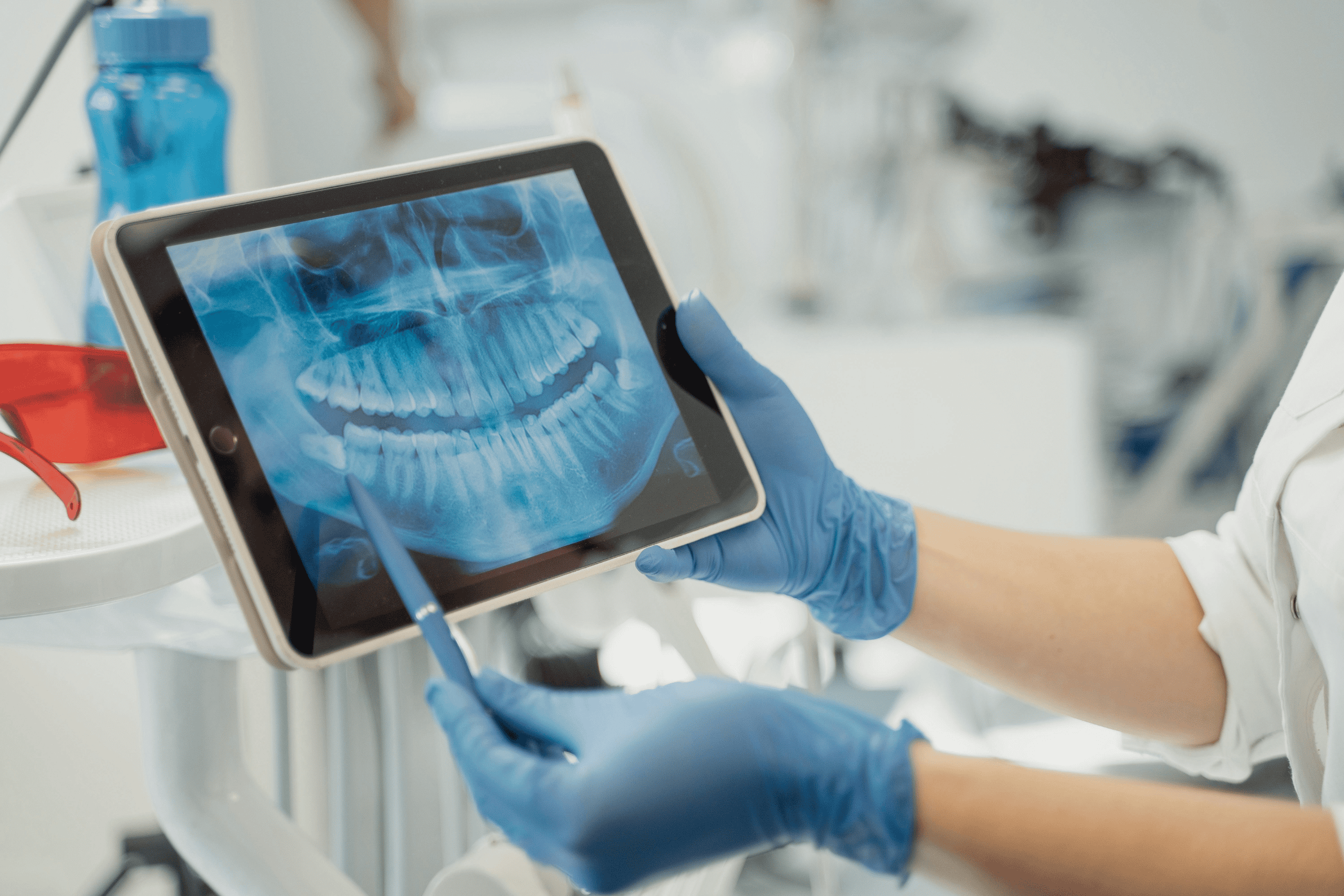
Patients are visual. Showing someone what a restoration will look like, how it compares to their natural tooth, and what the result has looked like for other patients is far more persuasive than a verbal description alone.
Work with your dentist clients to build a simple visual library they can use at chairside. Before and after photos of cases your lab has completed, shade matching examples, and material comparison visuals all give dentists something concrete to show patients during treatment discussions.
This kind of support is not something most corporate labs offer. It is the kind of value-added partnership that only an invested, personal lab relationship makes possible.
Make the Follow-Up Easy
One of the most common breakdowns in case acceptance happens after the appointment. A patient leaves saying they will think about it, and there is no structured follow-up to bring them back to a decision.
Labs can support their dentist clients by helping them think through simple follow-up systems. This might be as straightforward as a conversation about how other practices handle treatment reminders, or sharing ideas for patient communication that keeps pending cases top of mind without feeling pushy.
The goal is not to turn your lab into a practice management consultant. It is to be the kind of partner who thinks about the whole picture, not just the cases that are already in the queue.
The Bigger Picture
When a lab helps its dentist clients present restorations more effectively, everyone benefits. Patients get better care. Dentists grow their practices. And labs see more case volume from relationships that are built on genuine mutual investment rather than price alone.
AmericaSmiles member labs have access to the tools, materials, and support to be exactly that kind of partner. From patient referral programs that help dentists grow their patient base to premium materials that make restorations easier to present and defend, the network is designed to help independent labs compete on value, not just cost.
The best lab relationships are not transactional. They are partnerships built on trust, shared goals, and a genuine commitment to each other’s success. Case acceptance is just one more area where that partnership can make a real difference.