

Zirconia has transformed modern dental laboratory work. It is strong, biocompatible, and increasingly aesthetic. But as the material has evolved, so have patient and clinician expectations. A well-milled zirconia crown is no longer enough on its own. The finishing details, including how incisal areas are characterized, can make the difference between a restoration that blends seamlessly into a smile and one that looks flat or artificial.
That is where incisal tones come in.
What Are Incisal Tones?
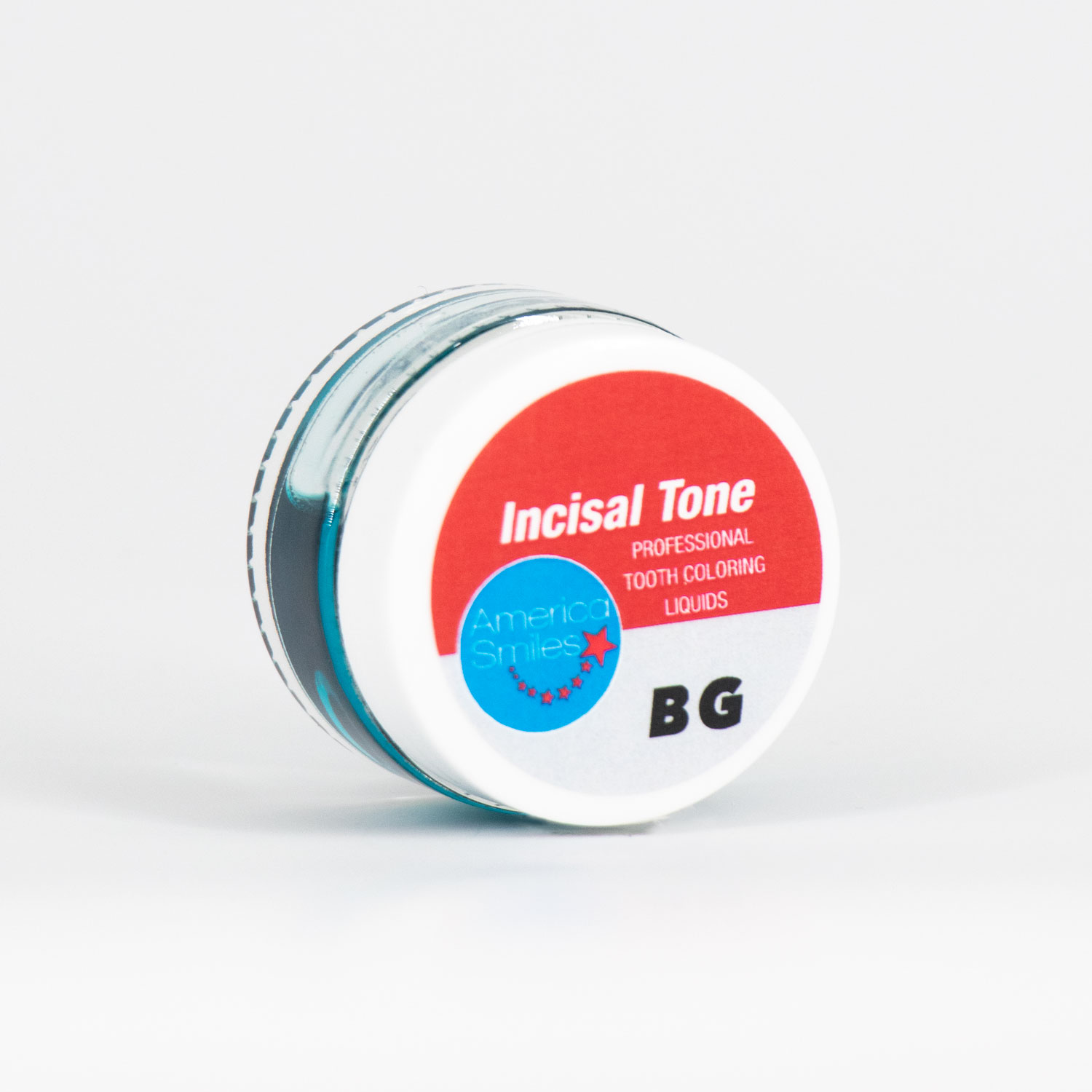
Incisal tones are coloring agents specifically formulated to add depth, translucency, and natural characterization to the incisal edges of zirconia restorations. Unlike base shading liquids that establish the overall body color of a crown, incisal tones are applied to mimic the natural optical properties of enamel at the incisal third, where light transmission and subtle color variation play a significant role in how a restoration looks in the mouth.
Natural teeth are not a single uniform shade from root to tip. The incisal edge tends to be cooler, more translucent, and sometimes exhibits subtle blue, gray, or opalescent tones. Without proper characterization, even a beautifully milled and shaded zirconia restoration can appear lifeless or opaque compared to the surrounding dentition.
Achieving Natural Depth and Translucency
One of the most significant benefits of incisal tones is their ability to replicate the depth and translucency of natural enamel. When light passes through a natural tooth, it scatters and reflects in a way that gives the tooth a three-dimensional appearance. Zirconia, particularly in its high-strength forms, can lack this quality without proper characterization.
Applying the right incisal tone introduces that optical complexity back into the restoration. The result is a crown or veneer that interacts with light in a more natural way, giving it the kind of vitality that patients and dentists notice, even if they cannot always articulate why.
Compatibility Across Shade Systems
A well-designed incisal tone system should work seamlessly with the shade systems your lab already uses. AMS Incisal Tones, for example, are formulated to pair with Original CHROMA Coloring Liquids and are compatible with both the Vita Classical and 3D Master shade systems.
This means you are not introducing a new variable into your workflow. Instead, incisal tones slot in as a logical finishing step that builds on the shading work you are already doing. Each tone corresponds to specific shades within both systems, giving you a clear and consistent reference point for every case.
Simplified Anterior Characterization
Anterior restorations are among the most demanding cases a lab handles. Patients are acutely aware of how their front teeth look, and any mismatch in translucency, hue, or incisal character will be noticed. Incisal tones give labs a straightforward, repeatable way to address this challenge without adding significant time or complexity to the finishing process.
Rather than relying solely on opaquer layers or manual staining techniques that can vary between technicians, a standardized incisal tone system provides consistent, predictable results. That consistency is valuable not just for individual cases but for maintaining a reliable standard of quality across your entire production.
A Small Step with a Significant Impact
It is easy to overlook the finishing details when a restoration already looks good coming out of the oven. But incisal characterization is one of those areas where a small additional step delivers a disproportionate improvement in the final result.
Dentists who receive restorations with well-executed incisal detail notice the difference. Patients notice it too, even if they describe it simply as looking natural or feeling right. Over time, that attention to detail becomes part of your lab’s reputation, and reputation is one of the most valuable things an independent lab can build.
The Bottom Line
Incisal tones are a simple, cost-effective way to elevate the aesthetic quality of your zirconia restorations. They add natural depth and translucency, integrate cleanly into existing shade workflows, and make a meaningful difference on anterior cases where every detail matters. For labs committed to delivering the best possible results for their dentist clients, incisal tones deserve a place in every finishing workflow.
AMS Incisal Tones are available through the AmericaSmiles Network, with member pricing that makes stocking up even easier. If you have questions about which tones are right for your case mix, our team is here to help.